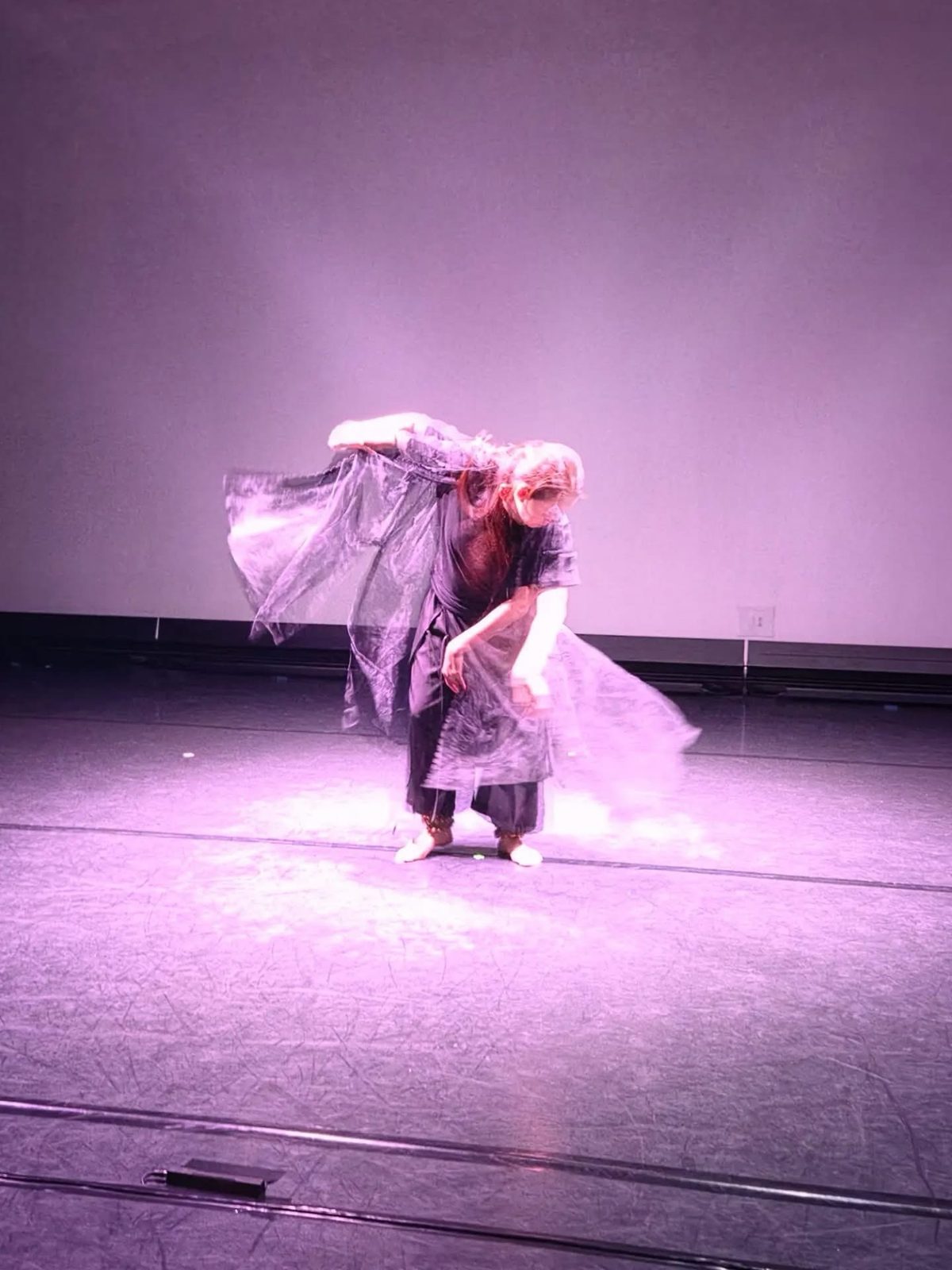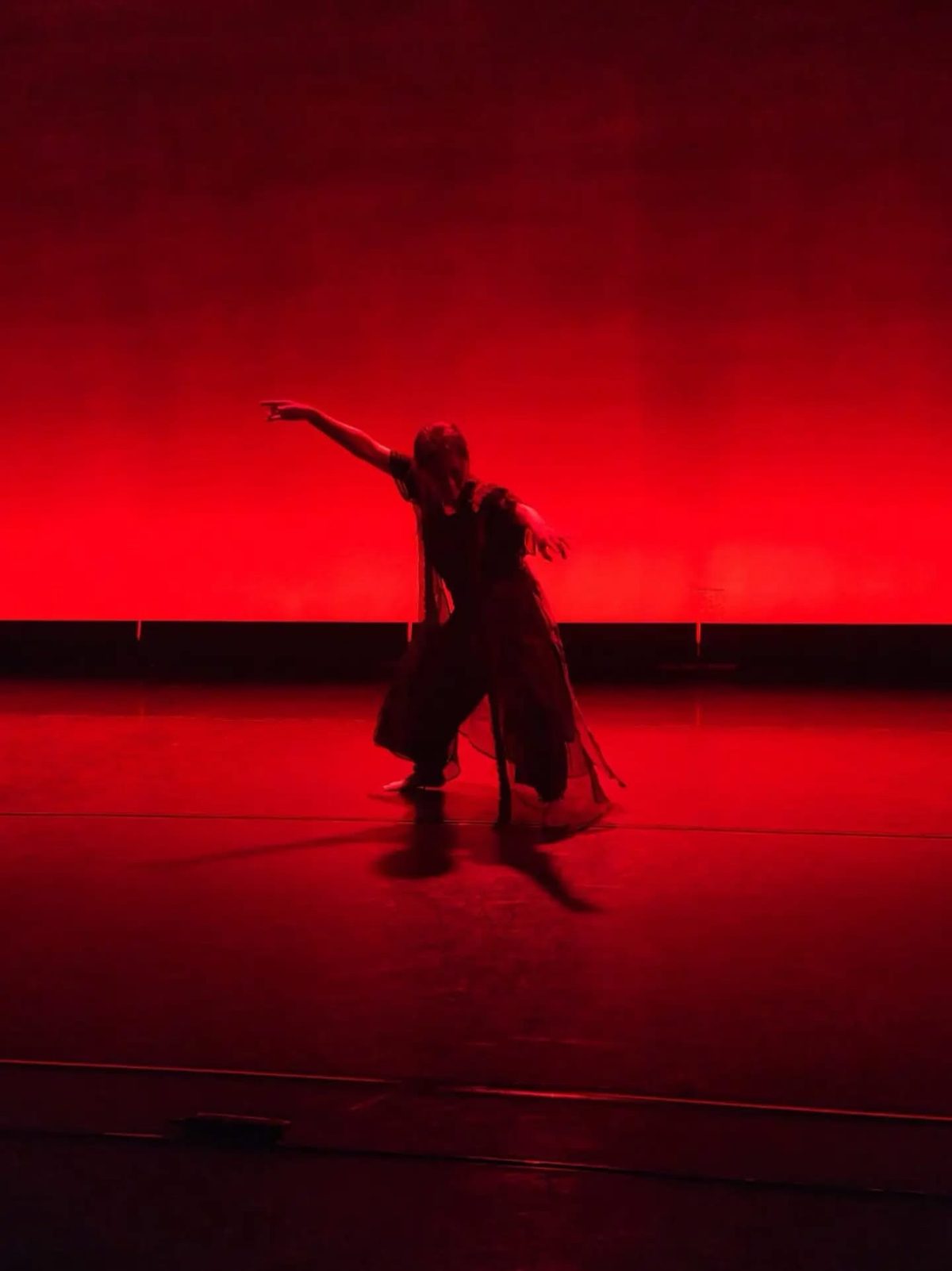
날개의 춤Dance of Wings
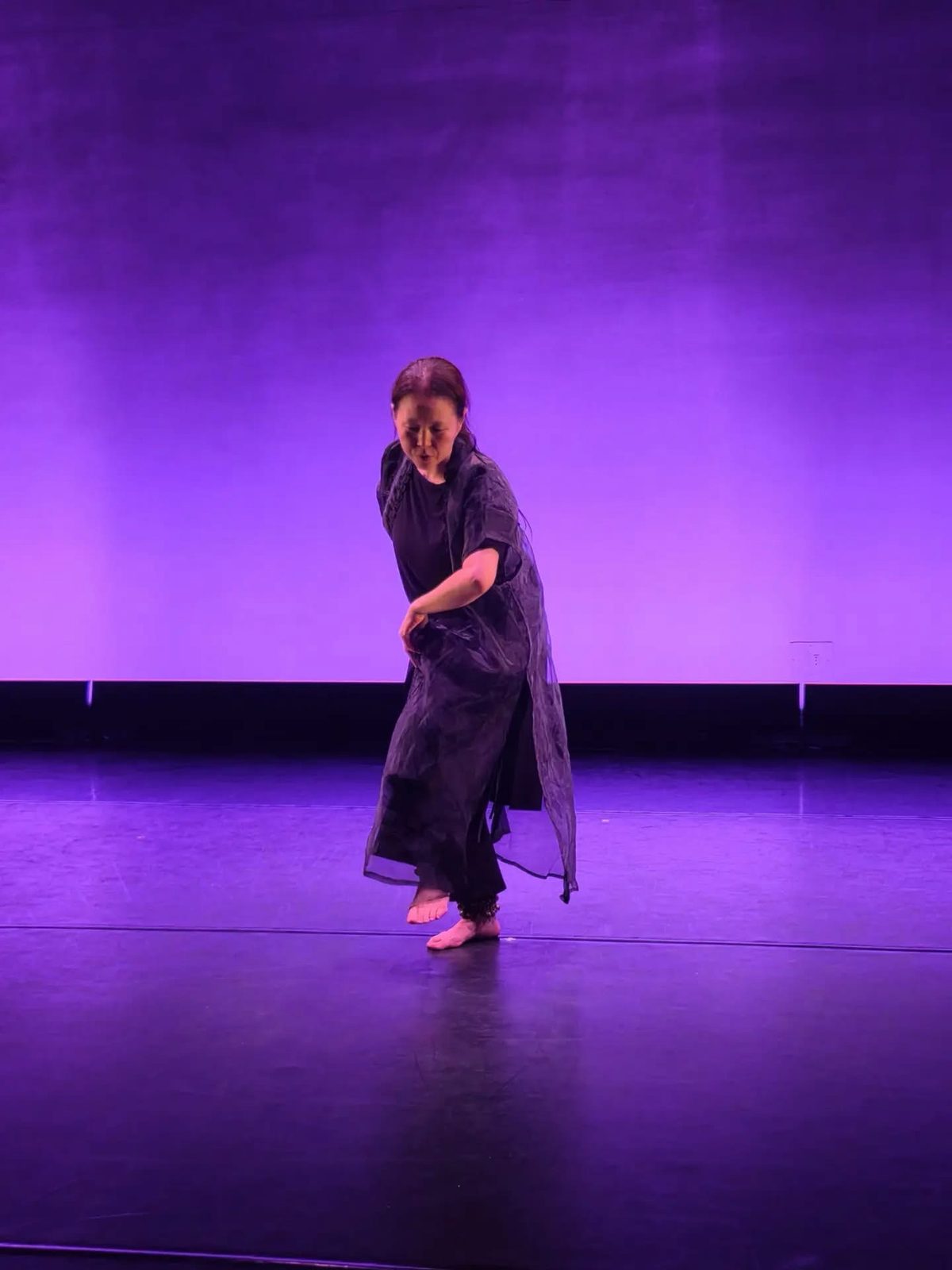
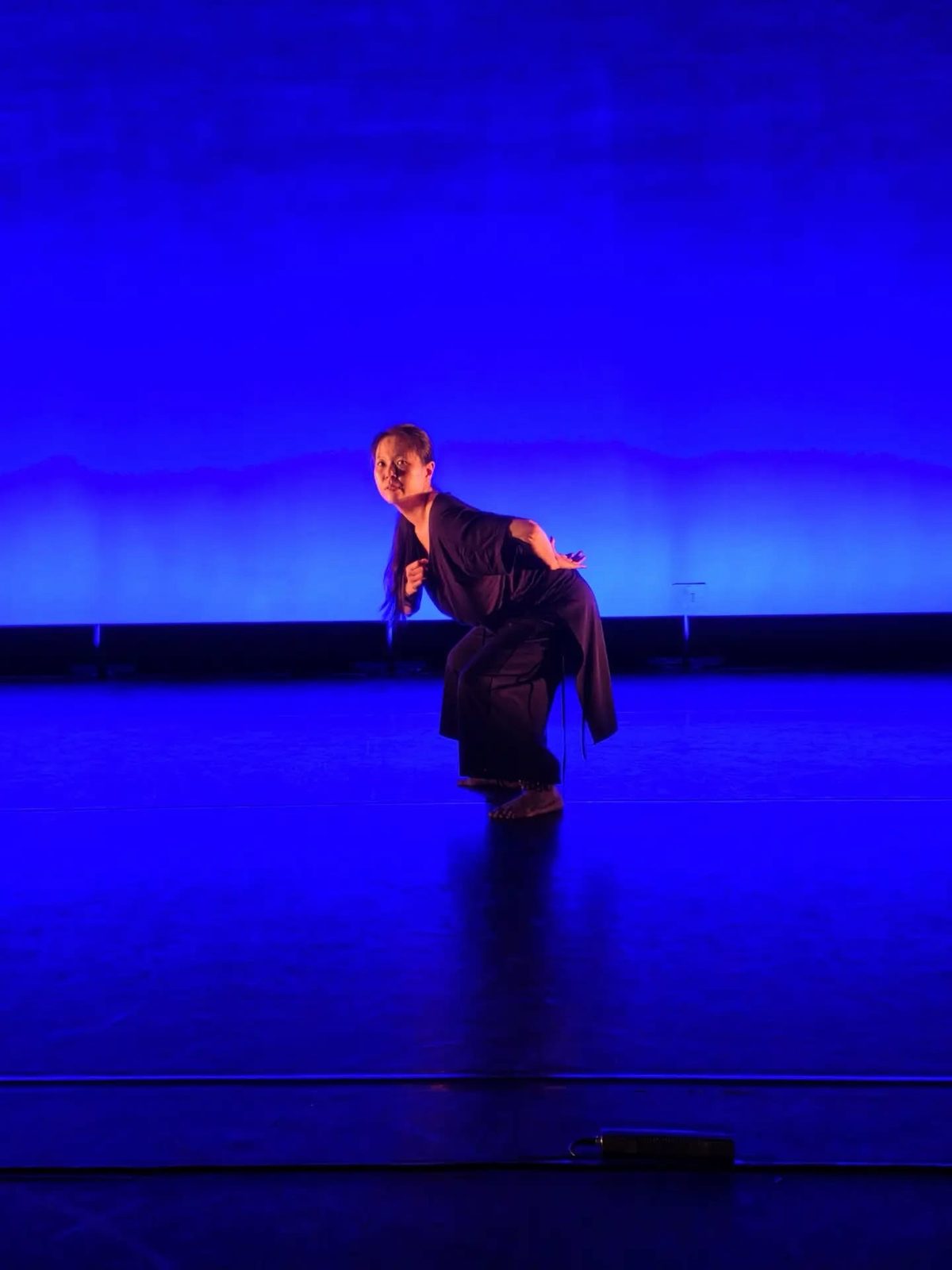
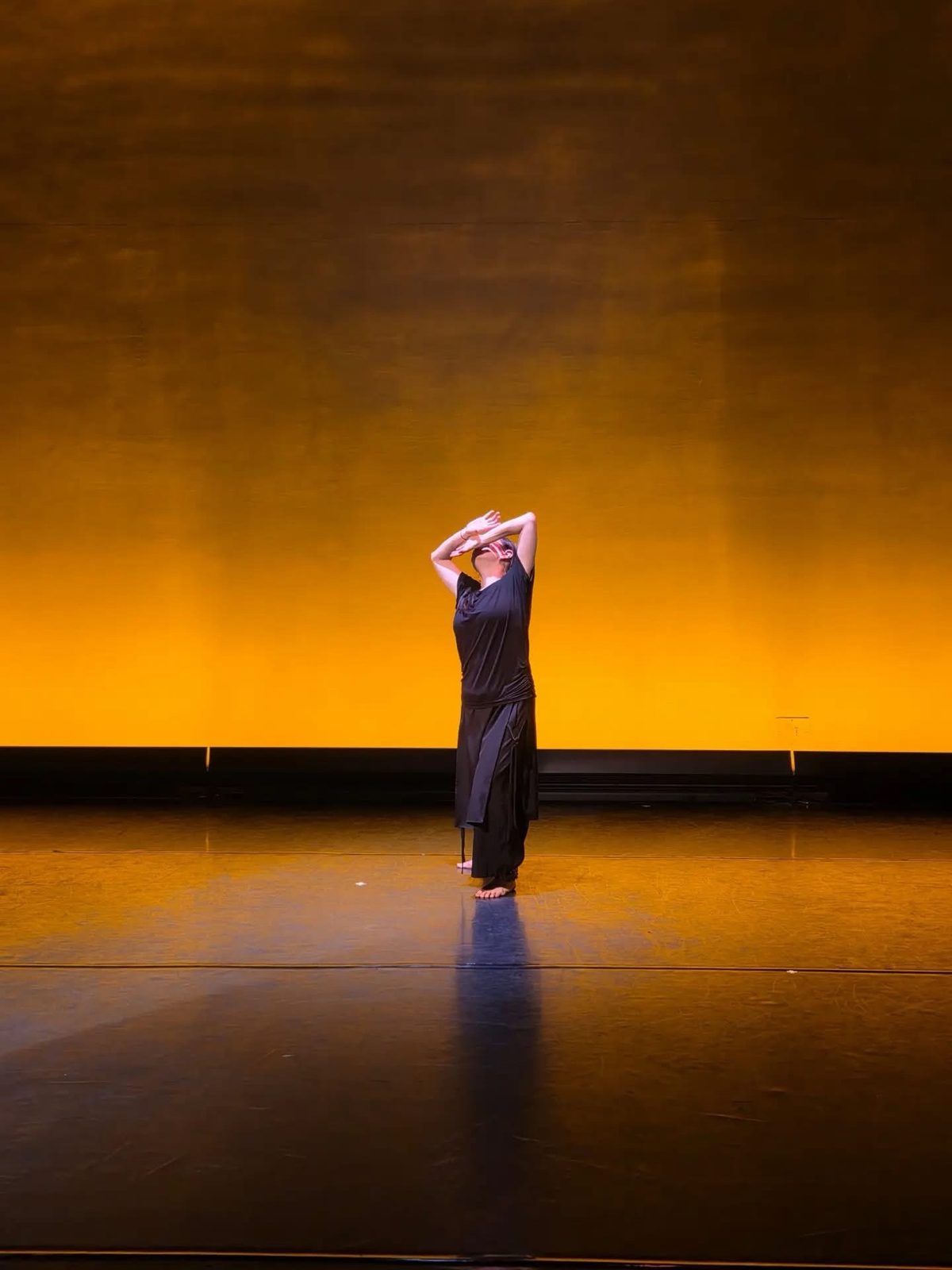
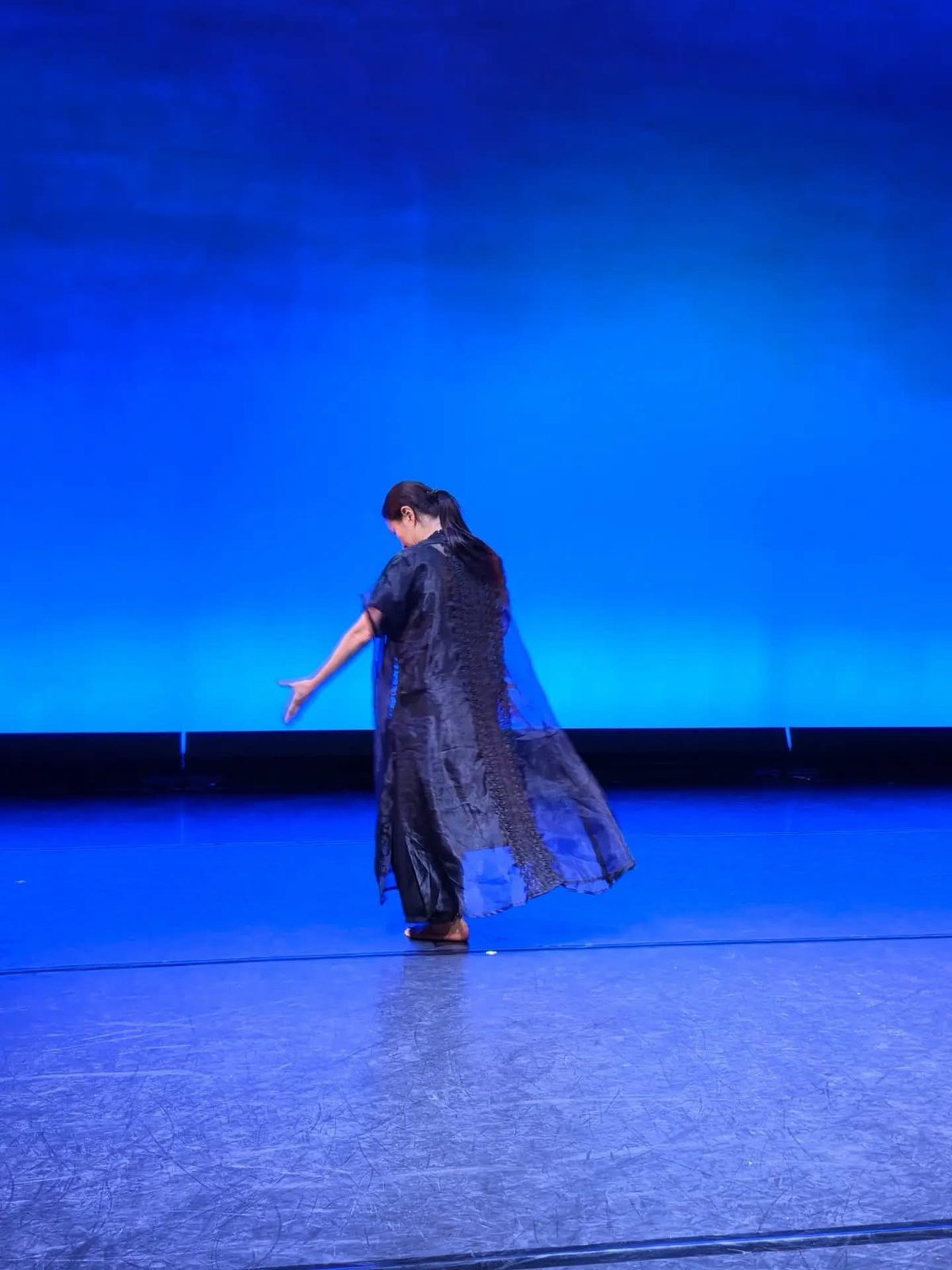
Dance of Wings (written and directed by Yong Suk Yoo / choreographed and performed by Jungjin Won) is a solo interdisciplinary dance performance built around two central artistic forms: Indian classical dance, Kathak, and theatre. Bringing together embodiment, text, storytelling, and devising practices from these two forms, the work develops an integrated performance language. It connects Korean tales of the Agijangsu (아기장수, “Baby General”) with the experience of the Korean American diaspora, exploring how movements left unfinished might re-emerge across time and place.날개의 춤(작·연출 유용석, 안무·출연 Jungjin Won)은 인도 고전무용 카탁(Kathak)과 연극, 두 예술 형식을 중심에 둔 학제적 솔로 무용 공연입니다. 두 형식의 신체성, 텍스트, 스토리텔링, 디바이징 방법을 한데 모아 하나의 통합된 공연 언어를 만들어 갑니다. 작품은 한국의 아기장수 설화를 재미 한인 디아스포라의 경험과 잇고, 끝내 완성되지 못한 움직임이 시간과 장소를 건너 어떻게 다시 나타날 수 있는지 탐구합니다.
Across different regions of Korea, oral traditions tell of extraordinary children born with supernatural strength: a child with wings beneath the arms, a child whose umbilical cord cannot be cut even with a knife, a child endowed with the potential to transform the world yet killed because of that very potential. In some versions, the child is killed by his own family; in others, he is pursued by the king’s soldiers. The Yongma (용마, “Dragon Horse”), destined to carry the child into the world, ultimately fails to find its master.한국 곳곳의 구전 설화에는 초인적인 힘을 지니고 태어난 비범한 아이들의 이야기가 전해집니다. 겨드랑이 밑에 날개가 돋은 아이, 칼로도 탯줄이 끊어지지 않는 아이, 세상을 바꿀 잠재력을 타고났지만 바로 그 잠재력 때문에 죽임을 당하는 아이입니다. 어떤 이야기에서는 아이가 가족의 손에 죽고, 어떤 이야기에서는 임금의 군사에게 쫓깁니다. 아이를 태우고 세상으로 나아갈 운명이던 용마는 끝내 주인을 만나지 못합니다.
Among the recurring motifs in these tales, Dance of Wings focuses on the movement of a body that possesses wings but never gets to fly, attempts to move but is repeatedly interrupted, and conceals its own potential at the moment it becomes visible. The work connects this motif to contemporary diasporic experience. Personal micro-narratives also serve as choreographic material: memories of places, moments of departure and arrival, experiences of moving between languages, and sensations retained in the body are translated into gesture, tempo, direction, repetition, stillness, and breath, and developed into movement sequences.날개의 춤은 이 설화들에 되풀이되는 모티프 가운데 한 몸의 움직임에 주목합니다. 날개를 지녔으나 끝내 날지 못하는 몸, 움직이려 할 때마다 가로막히는 몸, 자신의 잠재력이 드러나는 순간 그것을 감추는 몸입니다. 작품은 이 모티프를 동시대 디아스포라의 경험과 잇습니다. 개인의 작은 서사들도 안무의 재료가 됩니다. 장소에 대한 기억, 떠남과 도착의 순간, 언어와 언어 사이를 오가는 경험, 몸에 남은 감각이 제스처, 템포, 방향, 반복, 정지, 호흡으로 옮겨지고 움직임 시퀀스로 발전합니다.
This exploration extends into the performance language of the work. Kathak’s rhythmic and storytelling practices encounter the embodiment of Korean shamanism, the orality of pansori, and the folkloric imagination of Korea within a single performing body. In particular, the oral storytelling of Korean tales is developed into spoken-word performance through principles of rhythmic vocalization drawn from Kathak padhant. Bilingual text brings together the dialects of older tales and contemporary language, as well as the distinct rhythms and intonations of Korean and English. Speech is transformed into rhythm, breath, sound, and movement; movement, in turn, reshapes speech and rhythm, making dance a site where stories are generated and transformed.이 탐구는 작품의 공연 언어로 이어집니다. 카탁의 리듬과 스토리텔링 방식이 한국 무속의 신체성, 판소리의 구술성, 한국 설화의 상상력과 한 사람의 몸 안에서 만납니다. 특히 한국 설화의 구술 스토리텔링은 카탁 파단트(padhant)의 리듬 발성 원리를 거쳐 스포큰 워드 퍼포먼스로 발전합니다. 이중언어 텍스트는 옛이야기의 방언과 동시대의 언어, 그리고 한국어와 영어가 지닌 서로 다른 리듬과 억양을 한데 엮습니다. 말은 리듬, 호흡, 소리, 움직임이 되고, 움직임은 다시 말과 리듬을 바꾸어 놓습니다. 그렇게 춤은 이야기가 생겨나고 변해 가는 자리가 됩니다.
The language of the tales spoken in the performance is drawn from actual transcripts of oral accounts. A story once spoken by one person passes through its written transcription into the voice and body of a performer in another time and place, and is then transmitted to an audience. This continuing process of oral transmission intersects with diasporic experience, in which language, memory, and embodied sensation travel across places. In Dance of Wings, folklore and diaspora converge through shared processes of movement, transmission, and transformation.공연에서 말해지는 설화의 언어는 실제 구술 채록 자료에서 가져왔습니다. 한 사람이 들려준 이야기는 채록된 글을 거쳐 다른 시간, 다른 장소에 있는 퍼포머의 목소리와 몸으로 옮겨지고, 다시 관객에게 전해집니다. 이렇게 이어지는 구술 전승의 과정은 언어와 기억과 몸의 감각이 장소를 건너 이동하는 디아스포라의 경험과 겹칩니다. 날개의 춤에서 설화와 디아스포라는 움직임, 전승, 변형이라는 공통의 과정을 통해 만납니다.
Dance of Wings places the question, “Where does the dance that remained undanced in a diasporic life go?” between an old tale and a present-day body, tracing how far a movement interrupted time and again might travel this time. A story passed from mouth to mouth over generations, preserved in oral-history transcripts, is spoken and set in motion again through the body of a Korean diasporic artist living in the United States in the fall of 2026. As this unfinished movement, transmitted and transformed across time, encounters a new body, it tests whether, this time, it might finally continue all the way through.날개의 춤은 “디아스포라의 삶에서 추어지지 못한 춤은 어디로 가는가?”라는 질문을 옛이야기와 지금의 몸 사이에 놓고, 번번이 끊겼던 움직임이 이번에는 얼마나 멀리 갈 수 있는지 따라갑니다. 대대로 입에서 입으로 전해지고 구술 채록으로 남은 이야기가 2026년 가을, 미국에 사는 한인 디아스포라 예술가의 몸을 통해 다시 말해지고 움직이기 시작합니다. 시간을 건너 전해지고 변해 온 이 미완의 움직임은 새로운 몸을 만나, 이번에는 끝까지 이어질 수 있는지 시험합니다.
Written and directed by Yong Suk Yoo · Choreographed and performed by Jungjin Won작·연출 유용석 · 안무·출연 Jungjin Won
Gallery사진